Fat grafting, also called fat transfer, uses a patient's own fat to restore or add volume in another area of the body. Fat is removed with liposuction, carefully processed, and then reinjected into areas such as the face, breasts, hips, or buttocks. Because the transferred material comes from the patient's own body, fat grafting can be a useful option for those seeking volume enhancement with a natural tissue source.

At Ocala Plastic Surgery & Dermatology, plastic surgeons with experience in body contouring, breast procedures, and facial rejuvenation perform fat grafting. Dr. Navinderdeep S. Nijher specializes in body sculpting procedures including liposuction and post-bariatric contouring, while Dr. Jennel Carreras-Montgomery completed advanced aesthetic surgery training that included body sculpting, Brazilian butt lift procedures, and facial rejuvenation. Dr. James H. Rogers brings decades of experience in cosmetic and reconstructive surgery, including breast and facial procedures.
The amount of fat transferred and the technique used depend on the treatment area, available donor fat, and the patient's goals.
What Is Fat Grafting?
Fat grafting combines liposuction with targeted fat transfer. Instead of discarding fat removed from areas such as the abdomen, thighs, or flanks, the surgeon processes the tissue and places purified fat into another area that needs additional volume or contour.
Fat contains living fat cells that require a new blood supply after transfer. For this reason, the surgeon places the fat carefully in small amounts throughout the treatment area rather than injecting one large deposit.
Not every transferred fat cell will survive. The body naturally reabsorbs some volume during healing, which the surgeon accounts for when planning treatment.
Where Can Fat Be Transferred?
Fat grafting can be used in several areas of the face and body.
Face
Facial fat transfer may restore volume lost to age or weight changes. Common treatment areas include the cheeks, temples, under-eye region, and folds around the mouth.
Fat may also be used to soften certain contour irregularities or scars and create smoother transitions between facial features.
Breasts
Fat transfer to the breasts can provide a modest increase in fullness without using an implant. It may also be used to:
- Improve mild breast asymmetry
- Refine contour after breast reconstruction
- Correct certain contour irregularities after lumpectomy
- Add volume around implants or reconstructed breast tissue
- Improve selected scar-related depressions
The amount of enlargement possible with fat transfer alone is generally more limited than with breast implants.
Hips and Buttocks
Fat can be transferred to the hips and buttocks to improve curves, address contour depressions, or create a fuller silhouette. When fat is transferred specifically to enhance the buttocks, the procedure is commonly referred to as a Brazilian butt lift.
Because buttock fat transfer requires careful attention to surgical technique and safety, discuss candidacy and procedural planning with a qualified plastic surgeon.
Hands and Other Areas
Fat grafting may also restore volume in aging hands or improve selected contour depressions elsewhere on the body. Treatment recommendations depend on the area's anatomy and the amount of fat available for transfer.
Who Is a Good Candidate for Fat Transfer?
Fat grafting may be appropriate for patients who want to restore or add volume and have enough donor fat to harvest.
Good candidates are generally in good overall health, do not smoke, and have realistic expectations about how much volume can be achieved. Patients should also be at or near a stable weight, since significant weight changes can affect both the donor area and transferred fat.
Very lean patients may not have enough available fat for certain procedures, particularly larger-volume body contouring.
How the Fat Grafting Process Works
Fat grafting generally involves three main steps.
Step 1: Removing Fat From the Donor Area
Fat is first collected through liposuction from an area with enough unwanted fat to serve as a donor site. Common donor areas include the abdomen, waist, thighs, or hips.
Thin liposuction cannulas remove the fat while helping preserve the cells that may later be transferred.
Step 2: Processing the Fat
Once removed, the fat is purified to separate healthy fat cells from excess fluid, oil, blood, and damaged tissue.
Processing methods can vary and may include decanting, centrifugation, or washing with sterile solution. The goal is to prepare viable fat for reinjection while removing material that is unlikely to contribute to a successful graft.
Step 3: Injecting the Purified Fat
The processed fat is then carefully injected into the treatment area in small amounts and at multiple levels. This technique helps place the fat near healthy tissue that can provide the blood supply needed for long-term survival.
The amount transferred varies considerably depending on whether fat grafting is being used for subtle facial volume restoration or more extensive body contouring.
Fat Grafting Recovery and Results
Recovery varies based on the donor area and where the fat is transferred. Swelling, bruising, soreness, and temporary firmness can occur in both areas, and providers may recommend compression garments after liposuction. Patients may also need to avoid pressure on the treated area and limit certain activities during early healing.
Some added volume is visible right away, but swelling and natural fat reabsorption can affect the early appearance. Over the next several months, the surviving fat cells establish a blood supply, and the results become more stable. Remaining fat can last long term, although future weight changes and aging may still affect the treated area. Your doctor may recommend additional fat grafting to refine the result.
Frequently Asked Questions
Not all transferred fat will establish a permanent blood supply. Some reabsorption is expected during the first several months, so results change as healing progresses. The amount that remains varies by treatment area, technique, and individual healing.
Fat cells that successfully survive the transfer can remain for many years. However, they still respond to weight changes and aging, like other fat cells in the body.
Fat transfer can provide modest breast enhancement, but it generally cannot create the same degree of size increase as implants. It may be better suited to patients seeking subtle fullness, contour refinement, or correction of asymmetry.
Fat is typically harvested from areas with enough tissue to remove safely, such as the abdomen, flanks, hips, or thighs. The donor site is selected according to the patient's anatomy and overall treatment plan.
Why Choose Ocala Plastic Surgery & Dermatology for Fat Grafting?
Successful fat grafting requires more than simply moving fat from one area to another. The surgeon must consider donor-site contour, how the fat is processed, how much volume can be transferred safely, and how the receiving area will change as the graft heals.
Ocala Plastic Surgery & Dermatology brings together surgeons with experience across the procedures commonly involved in fat transfer. Dr. Navinderdeep S. Nijher's practice includes liposuction and advanced body contouring, while Dr. Jennel Carreras-Montgomery completed dedicated cosmetic surgery fellowship training that included body sculpting, Brazilian butt lift procedures, and facial rejuvenation. Dr. James H. Rogers contributes more than 25 years of cosmetic and reconstructive experience, with particular expertise in breast surgery and facial rejuvenation.
Together, their experience supports a more comprehensive approach to fat grafting, from selecting an appropriate donor area to shaping the final treatment area.
Schedule Your Fat Grafting Consultation in Ocala, FL
Fat grafting can restore volume, refine contours, and make use of fat removed from another part of the body. A consultation can determine whether enough donor fat is available, which treatment areas may benefit, and what degree of change is realistic.
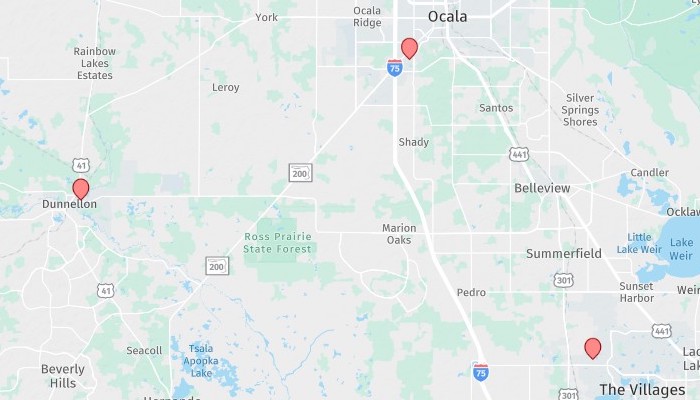
To schedule a consultation, call the Ocala office at 352-415-3868, The Villages office at 352-415-3871, or the Dunnellon office at 352-415-3883.