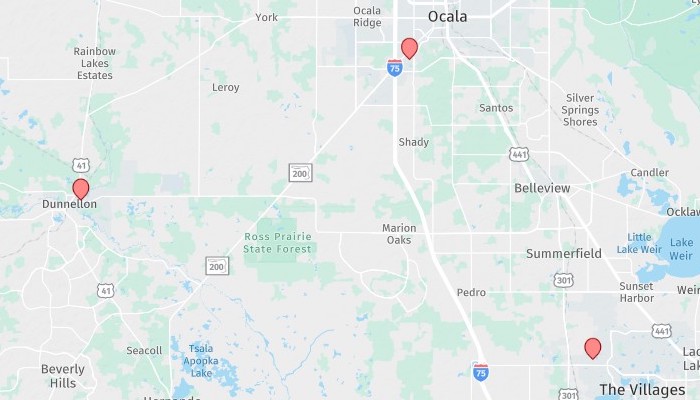
At Ocala Plastic Surgery & Dermatology, Navinderdeep S. Nijher, MD, has training and experience in post-bariatric body contouring; Jennel Carreras-Montgomery, MD, completed advanced cosmetic surgery fellowship training that included abdominoplasty and body sculpting; and James H. Rogers, DMD, MD, has performed cosmetic and reconstructive procedures in Ocala for more than 25 years.
For patients dealing with persistent abdominal laxity, knowing why loose skin develops can make it easier to understand which changes may improve on their own and when surgical body contouring may be worth considering.
Why Does Loose Skin Develop After Weight Loss?
Skin expands as the body gains volume. After weight loss, it may not have enough elasticity to shrink completely around the smaller frame.
Several factors can influence how much loose skin develops, including:
- The amount of weight lost
- How long the skin remained stretched
- Age and natural skin elasticity
- Genetics
- Sun exposure
- Smoking history
Significant or repeated weight fluctuations may make skin laxity more noticeable.
Is Loose Skin One of the Weight Loss Side Effects?
Loose abdominal skin can be among the more visible weight loss side effects after substantial weight reduction. Excess skin may hang or fold over the lower abdomen and can sometimes make body contours appear less defined.
Beyond cosmetic concerns, larger skin folds may contribute to rubbing, irritation, trapped moisture, or discomfort with certain types of clothing and physical activity.
Can Exercise Get Rid of Loose Abdominal Skin?
Exercise can strengthen the abdominal muscles and improve body composition, but it cannot remove excess skin. Improving muscle tone may enhance the appearance of the midsection, although skin with reduced elasticity may remain.
When loose skin is significant, an abdominoplasty may be considered to remove excess tissue and reshape the abdominal area. The procedure may also address weakened or separated abdominal muscles when appropriate.
When Is Body Contouring Considered After Weight Loss?
Body contouring is generally considered once weight has stabilized. A stable weight allows the surgeon to assess the amount of remaining skin and determine whether fat deposits, muscle separation, or other factors are also affecting the abdomen.
The most appropriate approach depends on the amount and location of excess tissue, overall health, and individual goals.
Addressing Loose Abdominal Skin in Ocala, FL
Loose skin can remain even after substantial progress toward a healthier or more comfortable body weight. An evaluation at Ocala Plastic Surgery & Dermatology can help clarify whether the concern is primarily excess skin, residual fat, weakened abdominal muscles, or a combination of factors.
Patients interested in improving abdominal contour after weight changes can call 352-629-8154 to schedule a consultation in Ocala, FL.