Eyelid surgery, or blepharoplasty, can refresh the eye area when excess skin, puffiness, or under-eye bags make the face look more tired or aged than it feels. The procedure can be tailored to the upper eyelids, lower eyelids, or both, depending on the changes being addressed.
At Ocala Plastic Surgery & Dermatology, we approach eyelid surgery with careful attention to the relationship between the eyes, brows, and surrounding facial structures. Dr. James H. Rogers has spent more than 25 years performing cosmetic and reconstructive surgery in Ocala and has extensive experience in facial rejuvenation. Dr. Navinderdeep S. Nijher completed advanced plastic surgery training through New York Presbyterian Hospital of Cornell and Columbia Universities, Memorial Sloan Kettering Cancer Center, and Hospital for Special Surgery, while Dr. Jennel Carreras-Montgomery pursued additional fellowship training in cosmetic surgery and facial rejuvenation.
Because heaviness around the eyes can come from the eyelids, the brow, or both, a detailed facial evaluation helps determine the best approach for the most balanced result.

What Is Eyelid Surgery?
Blepharoplasty is a surgical procedure that improves the appearance of the upper eyelids, lower eyelids, or both. Depending on the concern, the procedure may involve removing excess skin, repositioning or reducing fat, and adjusting underlying tissues.
Eyelid surgery may help improve:
- Loose or sagging upper eyelid skin
- Puffiness in the upper or lower eyelids
- Bags beneath the eyes
- Excess lower eyelid skin
- Fine wrinkles around the lower eyelids
- Lower eyelid drooping
- Upper eyelid skin that interferes with the natural contour of the eye
In some cases, upper eyelid skin can become heavy enough to interfere with peripheral vision. When surgery corrects a documented functional problem, insurance may cover it.
Who Is a Good Candidate for Blepharoplasty?
Eyelid surgery may be appropriate for adults in good general health who are bothered by drooping upper lids, under-eye bags, puffiness, or excess eyelid skin. Candidates should generally avoid smoking, have realistic expectations, and not have serious eye conditions that could complicate surgery or healing.
Not every heavy-looking upper eyelid is caused by excess eyelid skin alone. A descending brow can contribute to hooding, while true eyelid drooping may sometimes involve the muscles that lift the upper lid.
During consultation, the surgeon evaluates the eyelids, brow position, facial proportions, medical history, and any existing eye concerns before recommending the most appropriate treatment plan.
How Eyelid Surgery Is Performed
The surgical plan depends on whether treatment is for the upper eyelids, lower eyelids, or both.
Step 1: Anesthesia
The surgeon administers medication to keep the patient comfortable during surgery. Depending on the extent of the procedure, local anesthesia with sedation, intravenous sedation, or general anesthesia may be used.
Step 2: Upper Eyelid Correction
Upper eyelid surgery typically uses an incision placed within the natural eyelid crease. Through this incision, the surgeon can remove excess skin and adjust fat or muscle as needed.
Placing the incision within the crease helps keep the resulting scar well concealed as healing progresses.
Step 3: Lower Eyelid Correction
Lower eyelid surgery may use an incision just beneath the lash line, allowing the surgeon to remove excess skin and reposition or reduce fat.
For some patients, a transconjunctival approach may be used instead. This incision is made inside the lower eyelid and allows the surgeon to adjust fat without an external scar, although it does not remove excess skin.
Step 4: Closing the Incisions
The surgeon may close the incisions with sutures, skin adhesive, or surgical tape. In some cases, a surgeon may also recommend skin resurfacing or a chemical peel to improve lower eyelid texture or discoloration.
Eyelid Surgery Recovery and Results
Swelling, bruising, tightness, dryness, tearing, irritation, or sensitivity to light can occur during the early healing period. Cold compresses, lubricating ointment, and prescribed medications may be recommended to help manage these temporary effects.
Many patients can return to work and routine activities within about 7 to 10 days. You may need to avoid contact lenses for two weeks or longer, and you may be restricted from strenuous exercise for several weeks.
As swelling and bruising fade, the eyelids become more defined, and the eye area generally looks more rested and open. Results can last for many years, although the face will continue to age naturally. Incision lines also continue to soften and refine over time.
Eyelid Surgery FAQs
The cost of blepharoplasty depends on whether the upper eyelids, lower eyelids, or both are treated, as well as the anesthesia and surgical plan. Fees may include the surgeon, surgical facility, anesthesia, medical testing, and prescriptions.
Patient financing options are available. Exact pricing can be reviewed once the treatment area has been evaluated and a surgical plan has been developed.
Cosmetic eyelid surgery is generally not covered by health insurance. However, upper eyelid surgery may qualify for coverage when excess skin causes a documented visual field problem, and the insurer’s requirements are met.
Patients may be asked to complete medical testing, adjust certain medications, stop smoking, and avoid medications or supplements that can increase bleeding. Arrange transportation home, and get help during the first night if recommended.
Yes. When both brow descent and excess eyelid skin contribute to heaviness around the eyes, combining procedures may provide a more complete correction. A facial evaluation helps determine whether one or both procedures are appropriate.
The procedure often takes one to three hours, depending on whether the upper eyelids, lower eyelids, or both are treated and whether another facial procedure is performed at the same time.
Why Choose Ocala Plastic Surgery & Dermatology for Eyelid Surgery?
Eye surgery requires a precise approach because even small changes can affect facial expression and balance. The surgeons at Ocala Plastic Surgery & Dermatology bring diverse training and experience to facial rejuvenation.
Dr. James H. Rogers has decades of experience treating cosmetic and reconstructive concerns throughout the face. Dr. Navinderdeep S. Nijher trained at major New York institutions, including New York Presbyterian Hospital and Memorial Sloan Kettering Cancer Center, and has particular experience with minimal-scar procedures involving the face and eyes. Dr. Jennel Carreras-Montgomery further developed her aesthetic surgery expertise through fellowship training in New York City, including surgical and nonsurgical facial rejuvenation.
This depth of experience supports treatment plans that consider both the eyelids themselves and the overall proportions of the upper face.
Schedule Your Eyelid Surgery Consultation in Ocala, FL
Blepharoplasty can improve sagging eyelids, puffiness, and under-eye bags while helping the eye area look more rested and defined. A consultation can clarify whether eyelid surgery alone or a broader facial rejuvenation approach best addresses your concern.
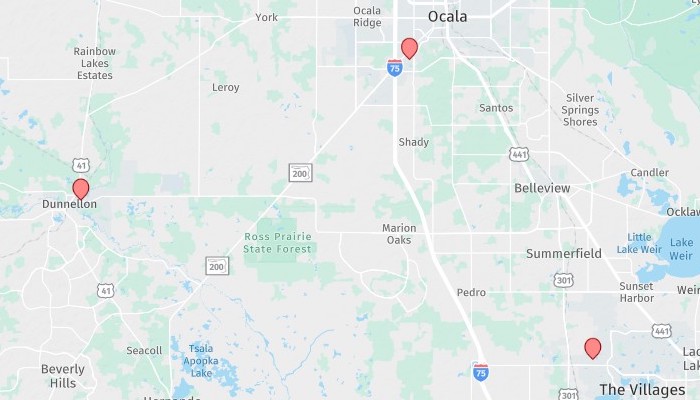
To schedule a consultation, call the Ocala office at 352-415-3868, The Villages office at 352-415-3871, or the Dunnellon office at 352-415-3883.